
Read more...



Poet Seamus Heaney was born April 13, 1939 in a town located in Northern Ireland. The oldest of nine children, Heaney was raised by a father with a deep rural background of farming and herding cattle and a mother from an urban family with a history of working in textile mills. Heaney attended St. Columb’s College, a Catholic boarding school, on scholarship. While he was away, his four year old brother, Christopher was killed by a car. His young death would inspire numerous poems including “Mid-Term Break” (1966) and “The Blackbird of Glanmore” (2006).
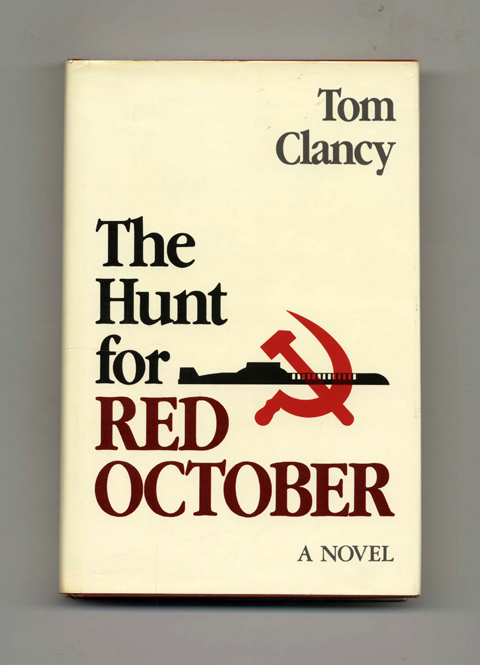
If you love a good spy novel, chances are you have read many of Tom Clancy’s works. But Tom Clancy was not just an author, but the king of a media empire, with his name attached to video games, movies, and non-fiction books on military topics. He was even part owner of the Baltimore Orioles.
Thomas Leo Clancy was born on April 12, 1947 in Baltimore, Maryland. He was the second child of Thomas Clancy, a mailman, and Catherine Clancy. He grew up an extremely active reader and lover of history, in particular the works of naval historian Samuel Eliot Morison. Due to his religious upbringing, Clancy's parents worked very hard to ensure he was able to receive a Jesuit education, both in high school and in college. Clancy earned a degree in English Literature from Loyola College, again showing his love of the written word.
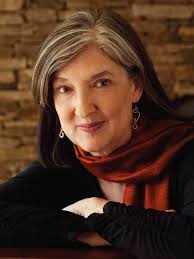
Barbara Kingsolver is known for using her creative talent to open the eyes of her readers to global injustices, ranging from environmental to social problems. Drawing upon her own childhood experiences in the Congo, she wrote her most famous work, The Poisonwood Bible. This novel, along with every book she has published since 1993, earned a spot on the New York Times Best Seller list. Kingsolver has also published several essays and poems.
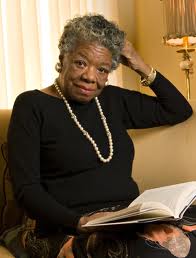
Marguerite Ann Johnson was born in St. Louis, Missouri on April 4, 1928. When she was three years old, her parents divorced, sending both Maya and her brother, Bailey, to live with their paternal grandmother in Stamps, Arkansas. Here, she was exposed to the harsh realities that African Americans faced in the South; however, her time in Stamps introduced her to the rich Southern African-American culture and community. Her grandmother instilled profound values and resilience in the young Maya, which would pervade her writings and make her the woman she is today.
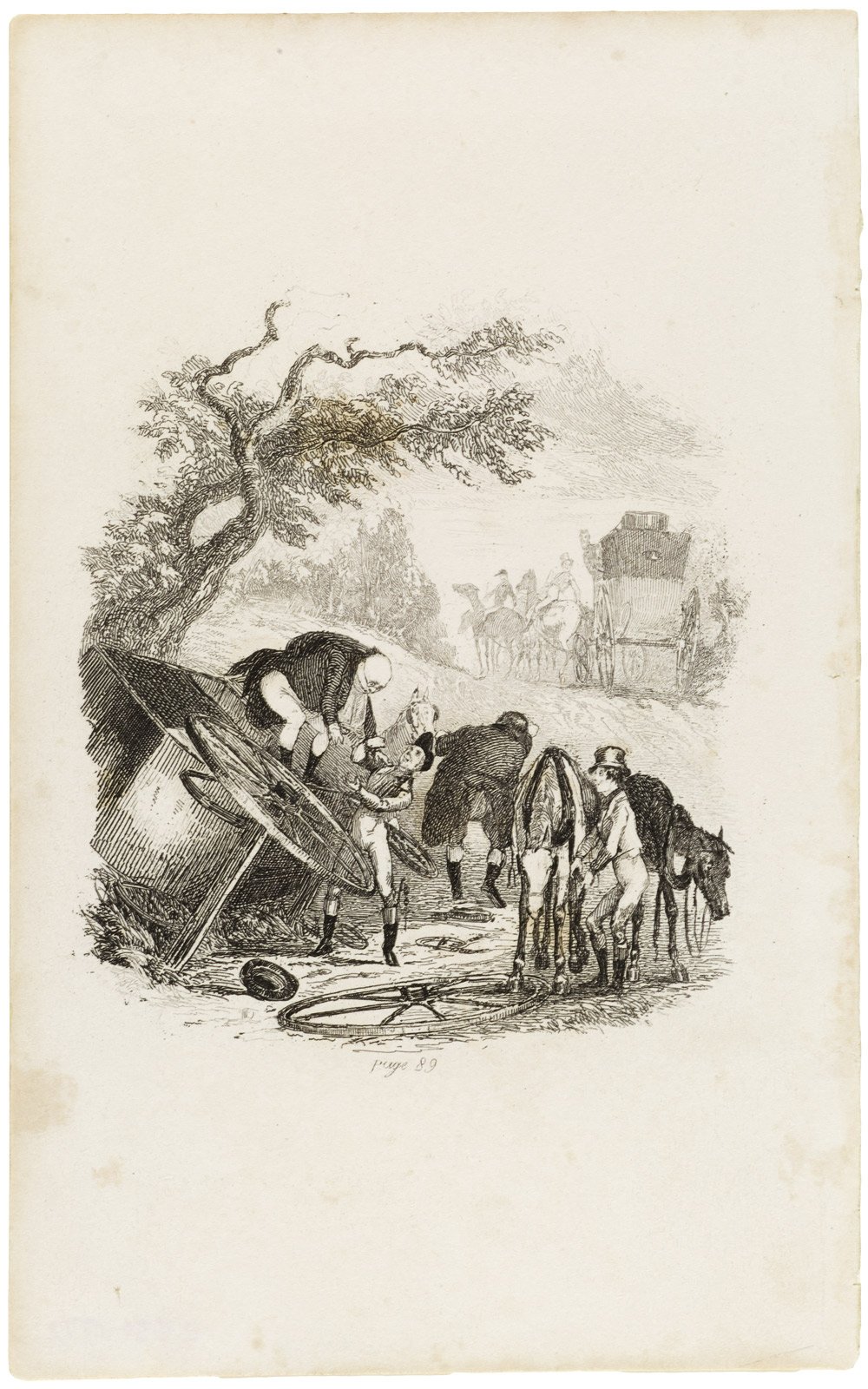
On March 31, 1836, Chapman and Hall published the first installment of Charles Dickens' Pickwick Papers. The story bore little resemblance to what the publishers thought they were going to print--to the advantage of the young Dickens, who was quickly vaunted to literary fame. The Pickwick Papers was certainly not the first serial novel, but it did make an indelible mark on the publishing world.
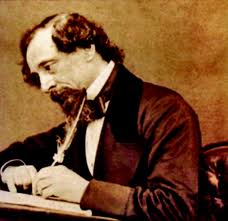
The friendship between writers Washington Irving and Charles Dickens began in 1840, after the publication of Dickens’ The Old Curiosity Shop. Irving wrote a letter to Dickens complimenting him on the novel, and Dickens replied enthusiastically. The two continued to correspond until Dickens arrived in America in January 1842.
The two writers finally met in person when Dickens traveled to New York. At a party celebrating his visit, Dickens gave a speech in honor of his friend, Irving:
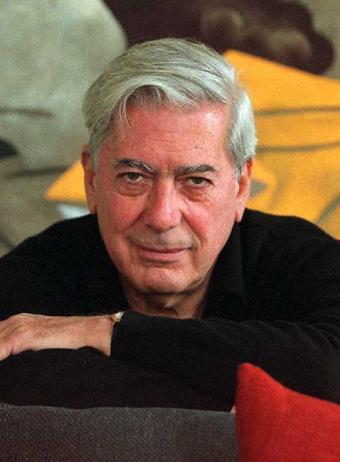
The exceptionally talented novelist and essay writer Mario Vargas Llosa won the Nobel Prize for Literature in 2010 due to his ability to impact people all over the world with his writing, and he is considered to be one of the greatest writers of his generation. Much like a literary character, Llosa has experienced a great amount of controversy in his lifetime. While he remains very active in politics, his opinions continually get him into trouble.
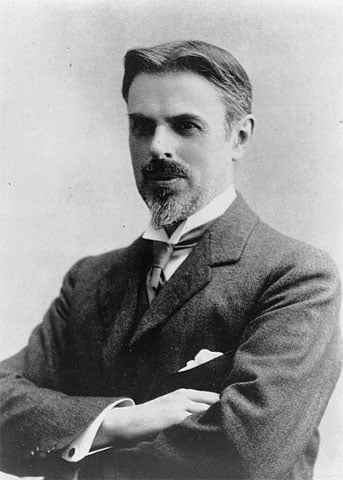
Both a poet and a scholar, A.E. Housman won over his readers with his lyrical writing, nostalgic themes, and powerful messages. Although he published only two volumes of poetry during his lifetime, these works have stood the test of time – especially his collection titled A Shropshire Lad, which explored human mortality and urged its readers to live their lives passionately and in the moment.
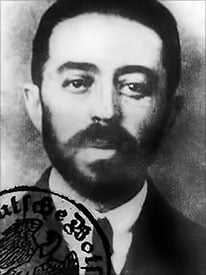
By the time Ian Fleming sat down at his typewriter to begin work on Casino Royale in 1952, he'd already had an illustrious career as a commander of Great Britain's Secret Intelligence Service. Responsible for the famous "trout" memo (so named for its fly fishing metaphor), Fleming distinguished himself as a cunning and thoughtful intelligence officer.
Though Fleming certainly drew from his own experiences to create James Bond, he also had another inspiration: Sidney Reilly. The Russian-born spy proved an indomitable agent whose charismatic personality, fearless execution, and hedonistic lifestyle are reflected in Fleming's 007.